The Stories We Tell

In recent years, it would seem that we have forgotten or ignored the importance of passing on knowledge to our young. Instead, we farm out that responsibility to institutions that try to cram as much information into closed minds as possible.

Throughout history, we have told stories as a means of passing on knowledge and wisdom to the next generation. The Greek storyteller, Aesop [560BC], is credited with writing a host of tales that have been repeated over and over throughout the centuries. Aesop’s Fables, as they are known, were written and told to help teach the young the ways of our kind. My parents would read these fables to me and explain their meanings. Of course, I had my favourites, and although they seemed like simple stories, I understood the meanings behind them. These simple tales have subtly guided and protected me all my life.

Had my parents just told me to do something, it would have gone in one ear and out the other, to quote an old expression. However, when these teachings are wrapped in a story, we become intrigued, our minds are opened wide, and our imagination is invoked. Soon, these thoughts become embedded in our memory, and that’s when they start to have a positive influence on our lives.

In recent years, it would seem that we have forgotten or ignored the importance of passing on knowledge to our young. Instead, we farm out that responsibility to institutions that try to cram as much information into closed minds as possible, most of it apparently, for the sole purpose of passing tests with high grades.

When I was at school, I had my favourite subjects – history was not one of them. BORING! Chanting names of Kings, Queens and dates, and battles and more dates. I hated history with a passion.

Then I went to secondary school, and oh no! – more history lessons! I was not looking forward to this.  

It was my first history lesson at this new school and with a new teacher, and I was all prepared to be bored stupid. The teacher started to draw a map on the board. First, he drew a river. Then he drew some huts at the side of the river, while all the time explaining how dwellers settled there and why. Each history lesson followed from where the last one left off.  Soon there were other pathways and more buildings, and then there was a ferry that crossed the river to the other side. Every lesson got more interesting than the last. This went on until the area became a meeting place with markets, plus more and more buildings were being erected. Our whole class was engrossed in the growth of this settlement that eventually grew into a town.

Just before the end of term – it suddenly stuck us – this was OUR town – wow! Up until then, we just took the town for granted. The teacher then took us on a walking tour around the town and it was a fascinating experience.

I still can’t remember or even care how many wives King Henry VIII had, but I do know more about that town than any other place where I grew up. Why? Because that teacher told us a story.

What is your favourite childhood story, and what did you learn from it?


© Copyright 2023 – MAC
I Want to Ride my Bicycle

The next thing I know, I was lying on the ground looking up at a lot of people looking down at me lying on the ground. This was obviously not a good thing.

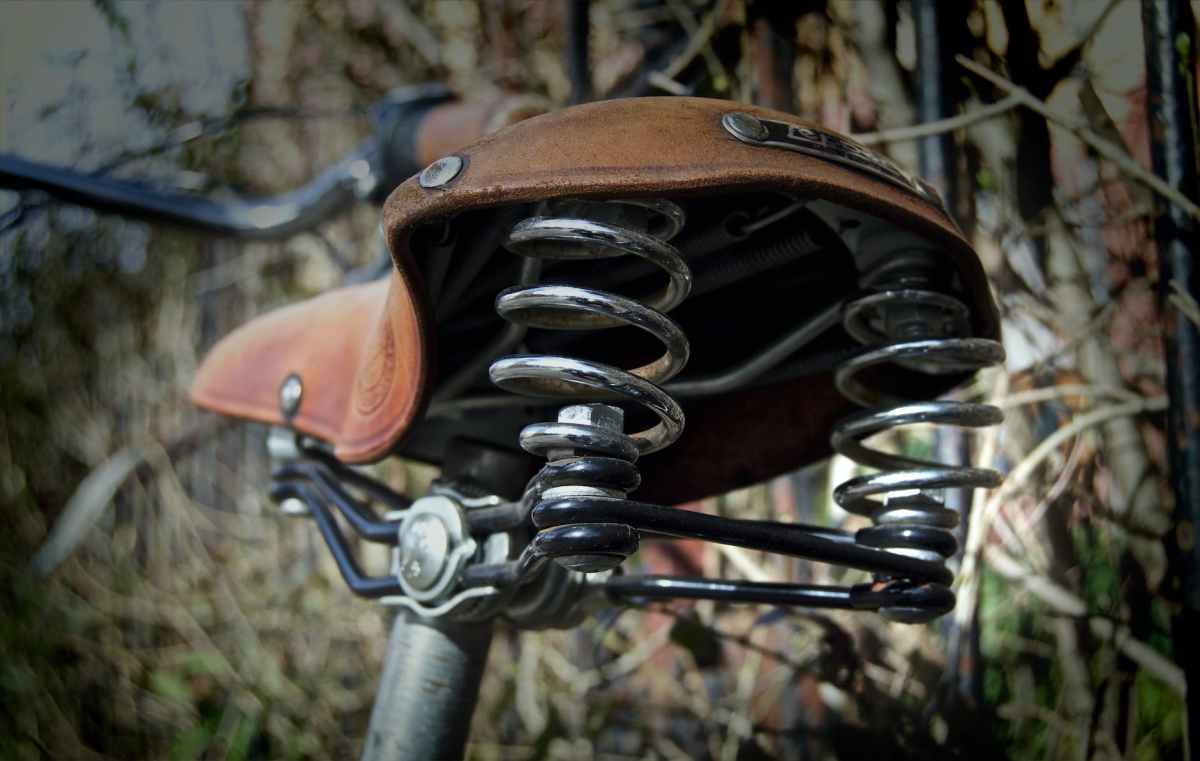
For most kids, learning to ride a bicycle is a right of passage. I was no different. I had long outgrown my tricycle and I wanted a bike, a bike with two wheels – a real bike!

One day, to my complete surprise, my dad came home with a bicycle – it was for me. It wasn’t new. It wasn’t pretty. But it was mine! I was thrilled because I never thought I would ever have my own bike.

After lots of failed attempts, I finally got the hang of keeping balance as long as kept pedalling. Once I had mastered the art of coming to a stop without not falling off, my dad decided to take me for a bike ride. It was just him and me. Me and my dad! I was on top of the world. Off we went riding side by side.

After a while, we stopped at the side of the street and he told me to wait while he crossed the road to go into a shop. I think he was going to buy some cigarettes. I remember him telling me to wait, but after a while I was tired of waiting and so decided to cross the road.

I got hit by a car.

The next thing I know, I was lying on the ground looking up at a lot of people looking down at me lying on the ground. This was obviously not a good thing. So I did what seemed natural at the time – I decided to cry.

Somehow my dad managed to get me and both of our bikes back home where I ran into the house and told my mum I had been run over by a car. My dad corrected me and told my mum I got ‘hit’ by a car.

But this isn’t about riding a bike, or about the dangers of other vehicles. It’s not even about me ignoring my dad’s instructions. It’s about what happened next.

Here’s the interesting part.

A few days later, there was a knock at the door. It was the man who had been driving the car – the car I had ridden in front of. Out of concern, he had come by to see if I was alright. Dad invited him in and they chattered while my mum made a pot of tea.

Then my dad told me to tell the man that I was sorry for what I had done. Let that sink in for a moment! It had been my fault and therefore I had to apologise.

Today, we are warned from a legal perspective to never say sorry, citing that it can be construed as an admission of guilt. I have bumped into doorposts and instinctively said sorry – it’s what we do. Things like this are sewn into our very fibre. I’m reminded of a line from my favourite Star Trek series – ‘Star Trek Enterprise’ – “We can’t save humanity without holding on to what makes us human.”

In that moment I was taught that we are accountable for our actions. If we don’t learn this early enough in life, we would grow up believing we are can do whatever we want without consequence. I may apologise to the odd door post or two, but I’m not sorry if this if this offends anyone.

See also – A Moral Dilemma


© Copyright 2023 – MAC