
A Dog’s Life

In team sports, the goal of the game is to win, and the side that has scored the most goals fulfils its goal – along with a pretty trophy!

Every day, we encounter situations where we have to make decisions. Some are what we call a no-brainer, and some are perhaps more complicated. Regardless, each day we are all faced with a bombardment of decisions – that’s life.

However, there are some things that, once they are brought to our attention, seem so obvious we go along with them without any thought whatsoever. It’s as though we are presented with a problem we never knew existed followed by an instant solution, one we could never have imagined. It was like a decision had been made for us, and the process didn’t hurt one little bit. For example, as early as 1935, Cecil Mace, a philosopher, embarked upon the theory of setting personal goals. From my own experience, this became a huge phenomenon in or around the late-1960s when a culture of instant experts jumped on the goal-setting bandwagon and began preaching the features and benefits of personal goal-setting to the gullible masses eagerly clambering to be on board. All we had to do was set a goal.

It was magic! I seemed like the silver bullet for happiness.

It was an easy market to exploit. We already understood goals. We scored goals in sports such as hockey or soccer, but when it came to actually setting goals – personal goals – the gurus of this movement made setting goals so eloquent and look so simple we all experienced what we thought was a blinding glimpse of the obvious. So, without any necessary encouragement, we all followed these proverbial Pied Pipers.

In team sports, the goal of the game is to win, and the side that has scored the most goals fulfils its goal – along with a pretty trophy! But in life, we are not living to win – life is not a contest. Therefore, why should we need these wonderful goals?

When we set goals – only one of two things happen – we either achieve them or we don’t!

Those who failed to reach their goals, in an effort to boost their self-esteem, might argue that they haven’t reached their goals – YET! Whatever!

In the real world, until you succeed – you have failed. Thomas Edison might seem to disagree with this sentiment when he said, “I have not failed. I’ve just found 10,000 ways that won’t work.” But we’re not inventing a light bulb – we’re trying to live a happy and fulfilling life!

The reality is – those who are trying to achieve their goals are unhappy because they believe they can only be happy once they have achieved their goals. Those who have reached their goals suddenly realise they either don’t know how to be happy or they have forgotten what happiness is.

The sad part of all this is – the only way these folk can ever strive to achieve their goals is when they are unhappy. Once they succeed, they fall back to their happy place which is to set even higher goals so they can be unhappy once more trying to be happy. Instead of being the silver bullet for happiness, it’s more like chasing the end of a rainbow searching for a pot of gold!

If you find this confusing – get a ball and go and play with a dog! You’ll no doubt get tired before the dog does, so sit down, take a moment, catch your breath and think about what that dog’s goals were versus what made that dog happy!

How happy are your goals?
Let me know in the comments below.


© Copyright 2023 – MAC
The Good Old Days

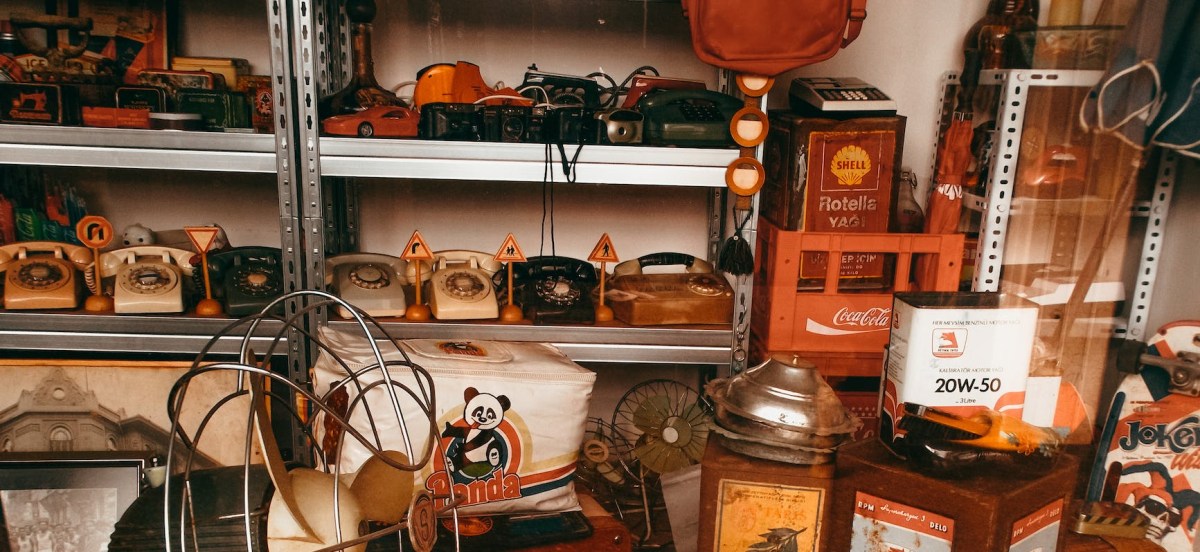
Some people refer to those earlier years as the good old days, but I’m not convinced they were all that good – but then, everyone has a different opinion.

Yes, we elders often talk about days long past, but that’s because we actually lived and experienced them. Some people refer to those earlier years as the good old days, but I’m not convinced they were all that good – but then, everyone has a different opinion.

Let’s take a look at the past century.

Sure, there were the roaring twenties, but there were also two devastating world wars and the great depression. Then we lived under the threat of the cold war. On the homefront, there were the hardships – many people had to make do with what they had. Nothing or very little got thrown away. Just about everything got reused. There were food shortages and so no food was ever wasted. We ate everything given to us. Stale bread got made into toast and any leftover food got made into soup. If and only if, there was anything left over, it was fed to pets or perhaps farm animals. Even a trifle is made from leftovers – hence the name, trifle.

Then there, were the ongoing diseases such as diphtheria, polio, tuberculosis, smallpox, Spanish flu, etc.

Dentistry centred around extractions rather than fillings and most people had dentures by the time they were in their thirties. Nitrous Oxide (Laughing Gas) was the anaesthesia of choice – if you were lucky, otherwise, it was painful. 

Nothing was thrown away. Within a family, a child’s clothes were often handed down from one child to the next. My pram (baby carriage) eventually became my sister’s pram.

Only the very wealthy had cars. The rest of us, if we were lucky, owned a bicycle. Longer trips were made on the bus, and even longer trips were made by train.

I was 11 by the time we lived in a house with an indoors flushing toilet. By the way, toilet paper was yesterday’s newspaper torn into squares.  

I could go on but the point I’m making is, compared to what we have today, one could hardly say those times were Good Old Days!

Having said that – those early days were the happiest days of my life.

Yes, I have had happy times, but overall, I am not particularly happy. I look around and I’m saddened to see so many unhappy people. 

In recent years there seems to have been a general shift in what we deem as happiness. Today, we are encouraged to buy things on the promise that they will make us happy. But when that ‘happy moment’ stops, we experience some sort of withdrawal while we search for something else that will make us even happier.

The corporate ‘drug dealers’ encourage us to trade in our perfectly good mobile phones for the latest models. Bigger and better this and that! Why? What’s more important – having the latest and greatest phone or the phone’s function and purpose?

The KPD factor

Many years ago, I decided to upgrade my stereo system. So off I went to an electronics store. The salesman asked me if I was looking for sound quality or KPD. I already had a stereo system but I wanted one that sounded better, so obviously I was looking for better quality. However, curiosity caused me to ask what was KPD. Knobs Per Dollar! He went on to explain by showing me the Mono-Stereo switch on a Receiver/Amplifier. Why is this here he asked. It will always be set to stereo, so this switch’s only purpose is to make the front panel look complex just for show. At that point he showed me another unit where the focus was about quality of sound. Guess which one I bought?

Happiness comes in many forms but don’t confuse happiness with what makes you happy.  


Let me know what makes you happy in the comments below.


© Copyright 2023 – MAC